
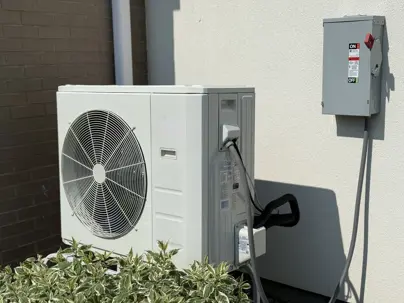
Selecting a new cooling system for your Denver Metro home is a major decision that impacts your comfort and your utility bills for years to come. While both systems look nearly identical from the outside, the technology inside dictates how they interact with your home year-round. At Tuscan Electic, Heating, Plumbing, we specialize in helping homeowners navigate these technical choices with transparency and honesty. Understanding the mechanics of a heat pump versus a traditional air conditioner is the first step in creating a truly efficient home sanctuary.
Navigating the Functional Differences for Year-Round Comfort
While both systems use refrigerants to move heat, their capabilities differ significantly as seasons change. Because our team holds Master Mechanical, Electrical, and Plumbing licenses, we evaluate these systems not just as cooling units, but as integrated parts of your home's entire energy profile. To help you decide which investment aligns with your goals, we have outlined the most critical distinctions between these two popular solutions.
Reversible Operation and Seasonal Versatility
The most fundamental difference is that a standard air conditioner is designed for a single purpose: moving heat from inside your home to the outside. A heat pump, however, is equipped with a reversing valve that allows it to switch directions. During the summer, it acts exactly like an air conditioner, but in the winter, it extracts ambient heat from the outdoor air and pumps it into your home to provide warmth. This makes it a versatile, year-round solution rather than a seasonal appliance.
Energy Efficiency and Environmental Impact
Because a heat pump moves heat rather than generating it through combustion or electric resistance, it is incredibly efficient. During the milder months of a Colorado spring or fall, it can maintain a perfect indoor temperature far more affordably than a traditional furnace. This efficiency reduces your reliance on fossil fuels and often qualifies you for significant Xcel Energy and State of Colorado rebates, making it a "greener" choice for the eco-conscious homeowner.
Performance in the Colorado Climate
In the Denver Metro area, many homeowners choose a "dual-fuel" or hybrid approach to maximize reliability. We often install a heat pump alongside an existing gas furnace. The heat pump handles cooling in the summer and primary heating on moderate winter days. When temperatures drop below the system's optimal range, your furnace automatically takes over, keeping your home warm regardless of how low the mercury drops.
Long-Term Value and Initial Investment
A heat pump generally carries a higher initial price tag than a standard air conditioner due to the complexity of its internal components. However, this higher entry point is often balanced by its ability to replace or supplement your heating system. By consolidating your heating and cooling into a single high-efficiency unit, you can achieve a significant reduction in total annual energy costs, helping the system pay for itself over its operational life.
Maintenance Needs and System Lifespan
Because a heat pump operates year-round, it accumulates more operational hours than an air conditioner that sits idle during the cold months. This makes professional preventative maintenance even more critical for a heat pump. Our master-licensed technicians ensure that the reversing valves and defrost cycles are functioning properly, protecting your investment and keeping the system reliable for 15 years or more.
Ready to Optimize Your Home Comfort?
Choosing between a heat pump and a traditional air conditioner depends on your current heating setup and your goals for energy independence. Whether you want the simplest cooling solution or a high-tech, dual-purpose system, our team is committed to doing the work right the first time. At Tuscan Electic, Heating, Plumbing, we provide free, in-person estimates to help you weigh the costs and benefits for your specific property. If you are ready to upgrade your home’s comfort and efficiency, contact our master-licensed experts today at (720) 605-4373.