
If you live in an older Denver home, electrical problems do not always start with something dramatic. More often, they show up as little warnings that are easy to brush off: a breaker that trips once in a while, lights that dip when the microwave kicks on, or an outlet that feels warmer than it should. The trouble is that these are often the early signs of outdated wiring, overloaded circuits, poor connections, or an electrical system that simply was not designed for how people live today. That matters because electrical distribution equipment is a known contributor to residential fire risk in NFPA reporting, and the CPSC has long warned homeowners about hazards tied to aging wiring, aluminum branch wiring, and unsafe electrical modifications.
This guide breaks down the biggest clues that your home may need home rewiring, a service upgrade, or at least a professional electrical inspection. It also looks at the Denver-specific issues that generic articles tend to miss, including older housing stock, mixed remodel wiring, plaster-and-brick construction, permit questions, and newer electrical demands such as an EV charger, heat pump, air conditioning, and home renovation electrical upgrades.
Frequent Breaker Trips, Flickering Lights, And Warm Or Buzzing Fixtures
Repeated Breaker Trips, Blown Fuses, And Lights That Flicker Or Dim
If your breaker keeps tripping, that is not something to treat as a harmless annoyance. Breakers trip because they are doing their job: stopping dangerous current flow before wires overheat. In some homes, the cause is simple and isolated, like a failing toaster, a space heater on the wrong circuit, or a vacuum sharing power with too many other loads. But repeated trips can also indicate overloaded circuits, loose connections, deteriorated electrical wiring, short circuits, or an undersized service that cannot keep up with the house's electrical load. The same idea applies if you still have a fuse box and frequently blow fuses. If an appliance causes issues only at one outlet, it may be a device problem. If several rooms trip unpredictably, or if adding a normal household load causes trouble, the issue is more likely in the branch circuit, electrical panel, or overall service capacity. Flickering lights and dimming lights tell a similar story. A flicker isolated to one room can mean a branch-circuit connection problem, a failing switch, or a loose neutral. Whole-house dimming when the AC, microwave, hair dryer, or vacuum starts may indicate a panel problem, a service issue, or even a utility-side concern that warrants prompt evaluation.
Warm Outlets, Sparking Switches, Buzzing Sounds, And Burning Odors
Heat and noise are two warnings homeowners should never ignore. A receptacle that feels warm, a buzzing outlet, a switch that crackles, or a burning smell from an outlet can all indicate arcing or resistance at a loose connection point. That is where many electrical failures begin. You may also notice scorch marks, a melted faceplate, a sparking switch, or a fishy, hot-plastic odor near an outlet, light fixture, or the panel. Those are high-priority signs of possible fire risk, not “watch it and see” symptoms. Stop using the affected circuit, unplug anything connected if it is safe to do so, and avoid resetting the breaker repeatedly just to restore power. If you can safely turn off the circuit, do so and call a licensed electrician right away. If you see smoke, active sparking, or signs of fire, leave the area and call emergency services first. In many older homes, these symptoms are the visible tip of a larger wiring problem hiding in walls, attic spaces, basements, or old junction boxes.
- Urgent warning signs include warm outlets, buzzing switches, scorch marks, burning odors, and repeated trips on the same circuit.
- Room-specific flickering often suggests a branch-circuit or device issue.
- Whole-house dimming can indicate panel, service, or utility-side problems.
- Blown fuses in older homes may mean the system is outdated for modern loads.
Older Wiring Systems Common In Denver Housing Stock
Knob-And-Tube, Cloth-Insulated Cable, And Two-Prong Outlets In Older Homes
In many older Denver neighborhoods, homeowners have no idea what is actually behind the walls until an inspection, remodel, or outage forces the issue. Homes built before the mid-century era may still contain knob-and-tube wiring, cloth-insulated wiring, or other forms of old house wiring that were never intended to support today’s appliances and electronics. By itself, old wiring is not automatically failing this minute, but age, heat, modifications, and neglect change the picture. Knob-and-tube becomes more concerning when circuits have been extended, buried under insulation, overloaded, or spliced into newer wiring without proper enclosures. Cloth-sheathed conductors can become brittle and fragile over time. And two-prong outlets are a major clue that you may have ungrounded outlets and an outdated branch-circuit system. Some homeowners discover that three-prong receptacles were added later without proper grounding, creating a false sense of safety. In certain situations, a GFCI device can be used on an ungrounded circuit if it is properly installed and labeled, but simply swapping outlet faces does not create a grounding path. If your home still has two-prong receptacles, loose older devices, or suspiciously new three-prong outlets on very old wiring, it is smart to schedule an inspection rather than assume everything is fine.
Aluminum Wiring, Legacy Panels, And Mixed Remodel Wiring
Another set of high-intent red flags shows up when an inspector or insurer mentions aluminum wiring, a Federal Pacific panel, or a Zinsco panel. Aluminum branch wiring, found in some homes from a different era of construction, can be prone to connection problems when terminations loosen, oxidize, or overheat over time. The CPSC has warned about fire risks associated with certain aluminum branch-circuit installations, especially at switches, outlets, and other connection points. Older legacy panels can also create serious concern because some have a long reputation for nuisance failures or breakers that may not perform as expected. Just as important, many older Denver houses are not uniformly old or uniformly updated; they are a patchwork. You might have newer Romex tied into cloth cable, basement finish wiring added years later, garage circuits extended by a past owner, hidden junctions behind drywall, open splices, mislabeled breakers, or unsafe DIY electrical work, such as bootleg grounds designed to fool a plug tester. That mix is often what turns a “small repair” into a broader conversation about house rewiring. A home does not need to be completely original to need rewiring; sometimes the real problem is the combination of old materials, partial upgrades, and unpermitted alterations.
- Common older-system clues include two-prong outlets, brittle insulation, old cloth cable, fuse boxes, and ungrounded receptacles.
- Inspection-trigger terms homeowners often hear are knob-and-tube, aluminum branch wiring, Federal Pacific, and Zinsco.
- Patchwork wiring after remodels is often more dangerous than homeowners realize, especially when hidden splices or unboxed connections are involved.
Your Home Can’t Support Today’s Electrical Demand
Older Service Sizes And Modern Electrical Loads
One of the clearest signs you may need more than a simple repair is when the entire electrical system feels undersized for the way you live now. A home with an old 60-amp setup or even a crowded 100-amp service can struggle once you add central air, mini-splits, a heat pump, an induction range, an electric dryer, a hot tub, workshop tools, gaming and office equipment, or an EV charger. Many homeowners first notice the problem when a planned upgrade snowballs: they want a car charger, a basement finish, or a kitchen remodel, and suddenly realize their service, panel, or feeder setup is inadequate. That does not always mean a full whole-house rewire, but it often means the system needs a professional load calculation and a realistic assessment of whether a 200-amp service or another service upgrade is appropriate. If the panel is packed, breakers are double-tapped, circuits are mislabeled, or major appliances cause lights to pulse across the house, the issue may be capacity-related rather than just a bad outlet. In other words, a new receptacle face or breaker reset does not fix a service that is outmatched by modern demand.
Too Few Receptacles, Heavy Extension Cord Use, And Missing Modern Protection
An outdated electrical layout shows up in everyday habits. If your kitchen counters rely on power strips, your bathroom runs a hair dryer and heater off the same receptacle, your laundry area has no proper appliance circuit, or your garage and basement are fed by whatever someone could tie into years ago, the home may not have the dedicated circuits modern living really needs. Heavy use of extension cords, outlet splitters, and cheap power strips is not just inconvenient; it is often a sign that the home’s original layout was never designed for today’s load patterns. The same goes for missing safety features. Modern code-based safety concepts emphasize GFCI outlets in kitchens, bathrooms, laundry rooms, garages, basements, and exterior spaces, as well as AFCI protection in many living areas and bedrooms. Proper grounding and bonding also matter, because new devices do not work as intended without a sound grounding system. Add in surge protection, and you start to see why an older electrical system may need more than a piecemeal fix. If your home lacks these protections, still has ungrounded receptacles, and depends on extension cords to fill the gaps, a partial rewire or broader Denver home rewiring plan may be the safest path forward.
- If your home struggles with AC, a heat pump, or an EV charger, ask for a load calculation before adding equipment.
- If rooms depend on extension cords every day, your outlet layout and circuit design are probably outdated.
- If you are missing GFCI, AFCI, or proper grounding, the system may need more than a cosmetic update.
Denver-Specific Triggers That Make Rewiring More Urgent
Older Neighborhood Housing, Hidden Wiring, And Remodel Surprises
Generic rewiring articles rarely account for how older Denver homes are built, and that matters. In neighborhoods such as Capitol Hill, Park Hill, Baker, Wash Park, Congress Park, and the Highlands, it is common to find older bungalows, brick homes, and houses that have been updated in stages over decades. That means outdated wiring may be hidden behind plaster and lath, brick exteriors, attic retrofits, finished basements, and patched remodeling work that looks clean on the surface but tells a very different story once walls are opened. Home buyers and sellers run into this all the time: the lights work, the outlets mostly work, and then an inspection reveals abandoned knob-and-tube, old cloth cable tied into newer wiring, no equipment grounding, overloaded basement circuits, or mystery junction boxes hidden above ceilings. These construction conditions also affect the scope of work. Rewiring a newer drywall house is one thing; rewiring an older plaster home with limited wall access is another. That is why older Denver homes often need a more thorough evaluation than national articles suggest. The symptoms may seem minor, but the hidden conditions behind the walls can completely change the job.
Front Range Weather, Seasonal Loads, And Real-Estate Or Permit Red Flags
Denver living adds electrical stress in ways homeowners do not always connect back to wiring. Front Range storms can increase surge exposure, making whole-home surge protection more valuable than ever. Winter often brings space heater use on already-loaded circuits, while summer adds window AC units, central air upgrades, or mini-splits in homes that were never designed for them. Detached garages, backyard offices, workshop tools, and growing demand for EV charging all push older systems harder. Then there is the transaction side. A house that “works fine” can still raise concerns when an insurance carrier asks about knob-and-tube wiring, aluminum wiring, or obsolete panels, or when a buyer’s inspector flags missing GFCI protection, open splices, ungrounded outlets, or questionable DIY modifications. Significant electrical work in Denver generally requires a permit and an inspection, and that matters for both safety and resale. The City and County of Denver’s permit and inspection framework exists for a reason: rewiring, service changes, and major electrical alterations should be documented and checked for code compliance. If your remodel plans, sale timeline, or insurer’s questions keep circling back to the electrical system, rewiring may have moved from “someday” to “now.”
- Local stressors include storm surges, space heaters, window AC units, garage power needs, and EV charging.
- Real-estate red flags often include obsolete panels, two-prong outlets, missing GFCI protection, open splices, and unpermitted work.
- Permit issues matter because major electrical work usually needs proper review and inspection.
What To Check Next And When To Call A Licensed Denver Electrician
What A Professional Electrical Inspection Should Include
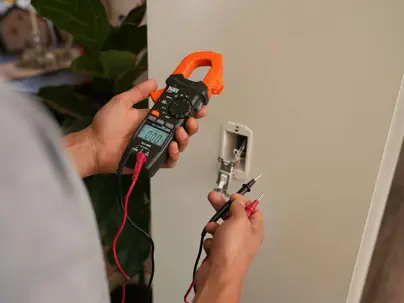
If you are seeing one or more of these warning signs, the next step is not guesswork; it is a real inspection. A professional evaluation should go well beyond glancing at the panel and resetting a breaker. At a minimum, the electrician should assess the electrical panel, confirm the service size, look for signs of overheating or obsolete components, and review whether your home is still operating on a dated 100-amp service when a 200-amp service may be more appropriate. A good inspection also includes checking grounding and bonding, testing receptacles for proper grounding and polarity, tracing suspect circuits, looking for unsafe splices or open junction boxes, and evaluating accessible wiring in the attic, crawlspace, basement, and garage. If you are planning a remodel, the electrician should also consider future loads, not just current ones, because adding a kitchen appliance, heat pump, or car charger can change the recommendation. This is where homeowners get clarity on whether they are dealing with a targeted repair, a panel issue, or a broader need for home rewiring. The goal is not to scare you; it is to identify real hazards, separate urgent problems from manageable upgrades, and give you a plan that makes sense for the house.
Repair Vs. Partial Rewire Vs. Whole-Home Rewire, Plus Cost And Timeline
Not every house needs to be stripped and rewired from top to bottom, but not every problem can be solved with a quick repair either. A single damaged receptacle, loose connection, or failed breaker may call for targeted repair. A partial rewire makes sense when one part of the home is clearly outdated or being remodeled, such as a kitchen, basement, garage, or a group of ungrounded bedroom circuits. A whole-house rewire is more likely when the home still contains widespread old wiring, mixed unsafe alterations, obsolete panels, missing ground, or a system that cannot safely support modern loads. It is also worth remembering that a panel upgrade alone does not fix deteriorated branch wiring, and new outlets do not solve hidden splices, missing grounding, or unsafe cable behind the walls. As for the cost and timeline, they vary widely based on square footage, plaster or brick construction, attic and crawlspace access, whether this is a whole-house or partial rewire, and whether service changes, permits, and wall repairs are involved. Some homeowners can stay in the home during the work, especially on staged projects, while others prefer to leave for a few days during heavier demolition or outages. The best answer comes from an on-site inspection and a written scope, not a guess over the phone.
- Notice the symptoms: trips, flicker, heat, buzzing, two-prong outlets, or overloaded circuits.
- Document where and when they happen, especially if large appliances trigger them.
- Schedule an inspection before starting a remodel, listing the home, or adding major equipment.
- Ask whether you need a repair, a service upgrade, a partial rewire, or a full rewire.
If you want straight answers without the runaround, Tuscan Electric, Heating, and Plumbing can help. For homeowners looking for a licensed electrician in Englewood, CO who understands older homes, service upgrades, and Denver home rewiring concerns, the next smart move is to book a professional inspection. Whether you are dealing with flickering lights, an outdated panel, ungrounded outlets, or planning an EV charger or renovation, getting expert eyes on the system now can help you avoid bigger safety and cost problems later.
Reach out to Tuscan Electric, Heating, Plumbing today at (720) 340-3547.